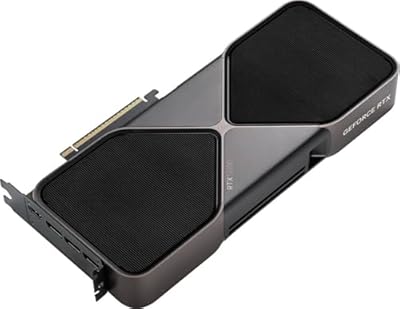
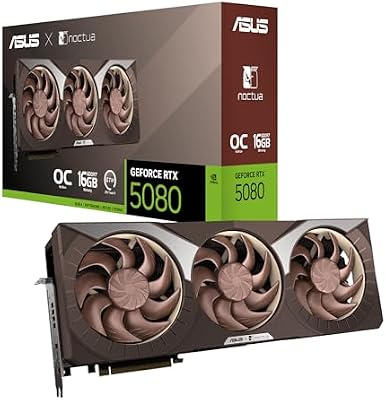
ASUS Prime GeForce RTX 5080 OC
ASUS's Prime take on the RTX 5080, with 16GB of GDDR7, DLSS 4 multi-frame generation, vapor chamber cooling, and a compact 2.5-slot SFF-ready design.
We may earn a commission on purchases via this link. It never affects our scores or rankings.
Why we rate it
- Strong 4K performance with DLSS 4
- DLSS 4 with multi-frame generation
- SFF-ready compact design
- Vapor chamber and Phase Change pad
- 360W TDP wants a real PSU
- Premium pricing within tier
Where the ASUS Prime GeForce RTX 5080 OC wins and loses
Specifications
General info
Memory
Compute units
Interface
Power
Design and cooling
Display outputs
Watch it in action
Is the ASUS Prime GeForce RTX 5080 OC right for you?
If you want a current-gen 5080 with SFF-friendly compact design and capable vapor chamber cooling, the Prime variant hits the sweet spot of performance, form factor, and price. Genuinely usable in ITX builds.
If you want premium aesthetics, RGB lighting, or absolute best acoustics, the ROG Strix or Noctua variants of the 5080 justify their price premiums. Prime is value-focused, not showcase-focused.
Before you buy
For most buyers, yes. The Prime delivers vapor chamber cooling and identical gaming performance to pricier variants for less money. TUF and ROG Strix justify their premiums mainly through aesthetics and acoustics.
Likely yes. The compact 2.5-slot design is SFF-friendly, fitting most modern ITX cases that accept dual-slot or 2.5-slot GPUs. Check exact dimensions against your specific case before buying.
Yes for most gamers. The 5080 delivers excellent 4K gaming with the same DLSS 4 features at roughly half the 5090's price. The 5090's extra performance is only justified for serious 4K maximalists or creators.
Nvidia recommends 850W and that's the realistic floor for the 5080. With a power-hungry CPU like a Ryzen 9 or Core i9, step up to a quality 1000W unit for transient spike headroom.
Alternatives & similar graphics cards