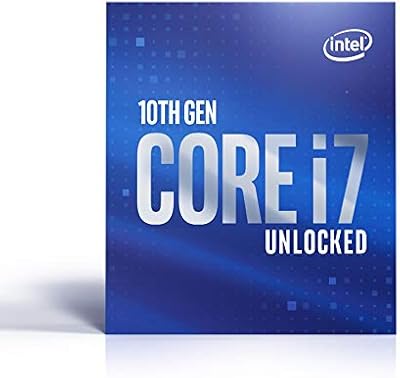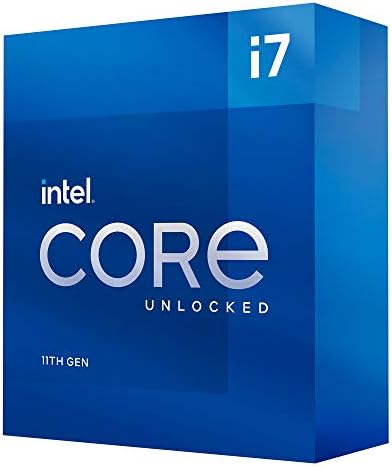
Intel Core i7-11700K
Intel's 11th-gen Rocket Lake eight-core on LGA1200, the first to support PCIe 4.0 and infamous for running hot, now found only on the used market.
We may earn a commission on purchases via this link. It never affects our scores or rankings.
Why we rate it
- First Intel desktop PCIe 4.0
- 5.0 GHz boost potential
- Compatible with 400 and 500 series boards
- Unlocked for overclocking
- Runs significantly hot for 8 cores
- IPC per clock below Zen 3
Where the Intel Core i7-11700K wins and loses
Watch it in action
Intel Core i7-11700K vs Intel Intel Core i9-11900K
| IntelIntel Core i7-11700KThis page | IntelIntel Core i9-11900K | |
|---|---|---|
| Overall score | 75 /100 | 75 /100 |
Is the Intel Core i7-11700K right for you?
If you're on a Z590 or B560 board and the 11700K is the available chip at a very low price, it gets the job done. There's no better choice on the 500-series without buying new hardware.
If Zen 3 chips or LGA1700 12th gen options are available at similar prices, buy those instead. The 11700K underperforms both at any comparable price point.
Before you buy
Usually not. The 10700K often delivers better performance per pound at similar used prices, runs cooler, and the PCIe 4.0 advantage of the 11700K is minimal in practice. The 11700K's main value is PCIe 4.0 for fast NVMe.
Rocket Lake uses a backported desktop architecture (Cypress Cove) that wasn't designed from scratch for desktop thermals. It's architecturally inefficient relative to Zen 3 and Intel's own 12th gen that followed.
No cooler is included. A quality 240mm AIO or a large tower cooler like a Noctua NH-U12S is strongly recommended. Budget or compact coolers will throttle the chip under sustained load.
Not favourably. The i7-12700K's Alder Lake architecture delivers dramatically better performance across gaming and productivity, with better efficiency. At any comparable price, the 12700K is the clear choice.
Alternatives & similar cpus