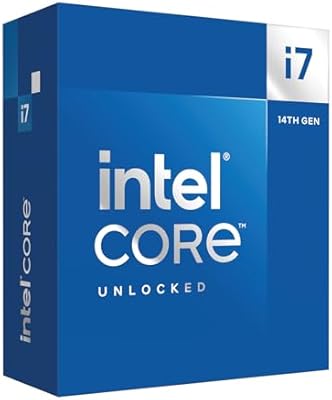
Core i9-13900K
Intel's 13th-gen 24-core flagship with integrated UHD 770 graphics, a 5.8 GHz Adaptive Boost ceiling, and PCIe 5.0 on LGA1700.
We may earn a commission on purchases via this link. It never affects our scores or rankings.
Why we rate it
- Integrated UHD 770 graphics
- 5.8 GHz Adaptive Boost ceiling
- 24 hybrid cores for serious work
- Flexibility on DDR4 or DDR5
- Up to 253W under all-core load
- LGA1700 is end of life
Where the Core i9-13900K wins and loses
Specifications
Cores and threads
Clocks and cache
Watch it in action
Core i9-13900K vs Intel Core i9-13900KF
| IntelCore i9-13900KThis page | IntelCore i9-13900KF | |
|---|---|---|
| Overall score | 75 /100 | 75 /100 |
| Core count | 24 | 24 |
| Boost clock | 5.8 GHz | 5.8 GHz |
Is the Core i9-13900K right for you?
For builders who want Intel's 13th gen peak with iGPU fallback, full OC access, and PCIe 5.0 on LGA1700, the 13900K is the complete flagship package.
LGA1700 is a dead end for CPU upgrades. Fresh builds should consider AM5 or LGA1851. For gaming-first, AMD V-Cache is the more efficient choice.
Before you buy
The 13900K has Intel UHD Graphics 770 on-die. The 13900KF has no iGPU and is typically slightly cheaper. Performance in gaming and productivity is identical. Buy the K if the price gap is small and display fallback is useful.
Intel Adaptive Boost Technology combined with Thermal Velocity Boost allows the chip to push to 5.8 GHz on one or two cores when thermal headroom allows. Actual boost depends on workload and cooling quality.
For sustained all-core workloads approaching 253W, yes. For gaming loads it draws significantly less, but a quality 360mm AIO or top-tier tower like a Noctua NH-D15 is the recommended setup.
The 14900K (14th gen) adds a slightly higher 6 GHz ceiling via 14th gen Raptor Lake Refresh. Gaming and productivity differences are modest. At similar used prices, the 14900K edges ahead in single-core; the 13900K may be better value.
Alternatives & similar cpus