MSI

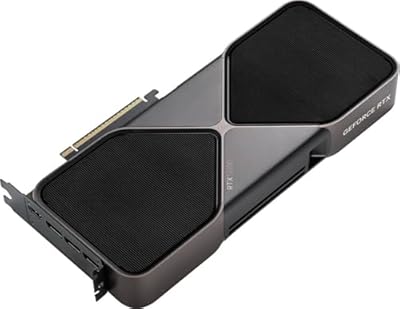
MSI GeForce RTX 5080 16G INSPIRE 3X OC

MSI's INSPIRE 3X OC take on the RTX 5080, with 16GB of GDDR7, a compact 288mm triple-fan design, and DLSS 4 multi-frame generation for sensibly-priced 4K builds.

75/100
Very good
Overall score · how we rate
16GB GDDR7DLSS 4 with multi-frame genCompact 288mm lengthTriple STORMFORCE fans256-bit memory bus
£1,200best price at Amazon
In stock at 1 retailer

We may earn a commission on purchases via this link. It never affects our scores or rankings.

Independent score · no sponsored placement
Price checked across retailers daily

Why we rate it

  • Strong 4K performance with DLSS 4
  • DLSS 4 with multi-frame generation
  • Relatively compact 288mm form
  • Value-tier pricing for the chip
  • Heavy 360W TDP
  • Value-tier build over premium variants
Score profile

Where the MSI GeForce RTX 5080 16G INSPIRE 3X OC wins and loses

Scored against the graphics cards class
4KRayCompactValue92958088
4K rasterisation
92
Ray tracing
95
Compact form factor
80
Value for the chip
88
Full specification

Specifications

Grouped · supported features marked in blue

General info

ArchitectureBlackwell
GPU chipGB203
Process4 nm
Release year2025
DLSS version4
Ray tracing generation4

Memory

VRAM16 GB
Memory typeGDDR7
Memory bus width256
Memory speed30
Memory bandwidth960

Compute units

CUDA cores / Stream processors10752
Ray tracing cores84
Tensor cores / AI accelerators336
Base clock2295 MHz
Boost clock2617 MHz

Interface

PCIe version5
PCIe lanes16

Power

TDP / TGP360 W
PSU recommendation850 W
Power connectors16

Design and cooling

Length288 mm
Slot width2.5
Fan count3
Zero-RPM idle modeYes
BackplateYes
Factory overclockedYes

Display outputs

HDMI1
HDMI version2.1
DisplayPort3
DisplayPort version2.1
Max resolution4

Watch it in action

Powered byYouTube
Who it's for

Is the MSI GeForce RTX 5080 16G INSPIRE 3X OC right for you?

Buy it if
Value-focused 4K builders

If you want the 5080 chip with current-gen DLSS 4 multi-frame generation at MSI's most sensible pricing, in a relatively compact 288mm triple-fan form, the INSPIRE 3X OC delivers excellent 4K gaming.

Skip it if
Premium aesthetics or flagship buyers

If you want premium build and RGB aesthetics, the MSI Gaming Trio or SUPRIM variants deliver them at a premium. If you want absolute best 4K and creator performance, step up to the RTX 5090.

Value-focused 4K gamer
Wants the 5080 chip at the lowest sensible MSI price. The INSPIRE 3X OC delivers identical gaming performance to premium variants without paying for aesthetics.
excellent
Compact 4K builder
Building in a tighter mid-tower where premium 5080 cards won't fit. The relatively compact 288mm INSPIRE form is a genuine advantage for space-constrained 4K builds.
good
Single-player AAA enthusiast
Plays the latest big-budget releases at 4K with heavy ray tracing. DLSS 4 multi-frame generation makes even heavy path-traced titles smooth at high settings.
good
Premium aesthetics buyer
Wants RGB lighting and premium build for a showpiece. The INSPIRE's value tier build is simpler than Gaming Trio or SUPRIM variants. Those make more sense for showpiece builds.
skip
Common questions

Before you buy

What's the difference between the MSI 5080 INSPIRE and SHADOW or Gaming Trio?

INSPIRE is MSI's value 5080 tier with simpler build, the SHADOW is similar value tier, and Gaming Trio adds premium build and RGB. All use the same 5080 chip with identical gaming performance. Pick on price and aesthetics.

Is the RTX 5080 worth buying over the RTX 5090?

Yes for most gamers. The 5080 delivers excellent 4K gaming with the same DLSS 4 features at roughly half the 5090's price. The 5090's extra performance is only justified for serious 4K maximalists or creators.

Will the MSI 5080 INSPIRE 3X OC fit in my case?

At 288mm it's relatively compact for a 5080, fitting in more mid-towers than premium variants. Still a triple-fan card needing decent GPU clearance. Check exact dimensions against your case before buying.

What PSU do I need for the MSI 5080 INSPIRE 3X OC?

Nvidia recommends 850W for the 5080. With a power-hungry CPU like a Ryzen 9 or Core i9, step up to a quality 1000W unit for transient spike headroom against the 360W TDP.