Samsung
Samsung Odyssey OLED G5 G50F
The Samsung Odyssey OLED G5 G50F lands as a entry-level 1440p monitor, built around 180 Hz.
34/100
180 HzOLED
£544best price at Amazon
In stock at 1 retailer
We may earn a commission on purchases via this link. It never affects our scores or rankings.
Independent score · no sponsored placement
Price checked across retailers daily
Why we rate it
- Scores 34/100
- Built for the job
- No g-sync
- No freesync
Score profile
Scored against the 1440p monitors classWhere the Samsung Odyssey OLED G5 G50F wins and loses
Full specification
Grouped · supported features marked in blueSpecifications
Display
Size27 "
Panel typeOLED
Refresh rate180 Hz
Head to head
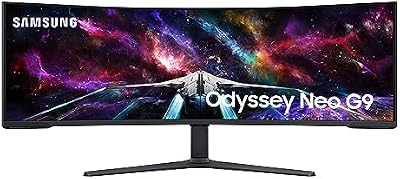
Highlighted cell = better in that rowSamsung Odyssey OLED G5 G50F vs Samsung Odyssey Neo G9
Samsung Odyssey OLED G5 G50FOdyssey Neo G9
| SamsungSamsung Odyssey OLED G5 G50FThis page | SamsungOdyssey Neo G9 | |
|---|---|---|
| Overall score | 34 /100 | 52 /100Better |
| Refresh | 180 Hz | 240 HzBetter |
| Size | 27 " | 57 " |
| Panel type | OLED | Mini-LED |
| Response | — | 1 ms |
| HDR certified | — | HDR 1000 |
Who it's for
Is the Samsung Odyssey OLED G5 G50F right for you?
Buy it if
Buyers on a budget
Anyone who needs a dependable 1440p monitor for the essentials without overspending.
Skip it if
Skip it if
You need g-sync, in which case a higher-tier 1440p monitor is the better call.
Home cinema viewer
Wants the best picture for films and gaming nights.
okay
Everyday watcher
Mixed TV, streaming and the odd console session.
good
Budget upgrader
Replacing an older set without overspending.
okay
Common questions
Before you buy
Is the Samsung Odyssey OLED G5 G50F worth it?
It depends on what you need. It scores 34/100 against other 1440p monitors, a entry-level result where the class average is around 51.
What stands out on the Samsung Odyssey OLED G5 G50F?
Its overall 34/100 rating against the rest of the 1440p monitors class.
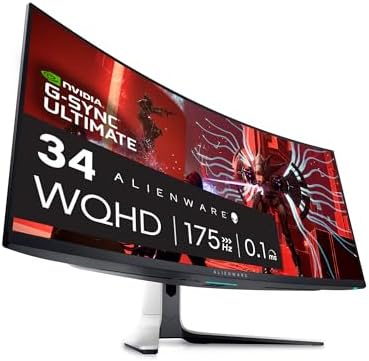
How does it compare to the AW3423DW?
The AW3423DW scores 35/100 versus this one at 34/100, so it is the step up on the spec sheet.
You might also consider