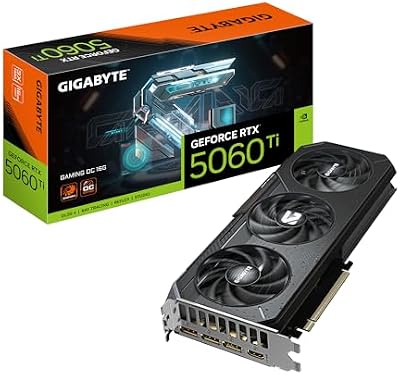
GeForce RTX 2080 Ti
ASUS's RTX 2080 Ti, a 2018-era Turing flagship with 11GB of GDDR6, first-gen ray tracing, and DLSS support, now a used-market 1080p and 1440p option.
We may earn a commission on purchases via this link. It never affects our scores or rankings.
Why we rate it
- 11GB of VRAM is still useful
- Hardware ray tracing supported
- DLSS 2 with broad game support
- Standard 8-pin PCIe power
- No DLSS 3 or DLSS 4 Frame Generation
- First-gen RT cores are weak
Where the GeForce RTX 2080 Ti wins and loses
Specifications
Memory
Compute units
Is the GeForce RTX 2080 Ti right for you?
If you find a used 2080 Ti at a low price (well under £250) and want 1440p gaming with DLSS 2 support and basic ray tracing, it's a reasonable stopgap option for older or moderately demanding games.
If you want DLSS 4 multi-frame generation, strong ray tracing, or you're building new and would otherwise buy a current-gen card, the 2080 Ti's missing features and weaker RT will hold you back.
Before you buy
Only at a low used price (well under £250) and only if you mostly play older games or want basic DLSS support. A new RTX 5060 or 5060 Ti 16GB typically offers better gaming with modern features for similar money.
Yes, via first-gen RT cores. Performance is significantly slower than modern 3rd and 4th-gen RT cores though. Light RT in older games is usable, heavy RT and path tracing in current titles is essentially unplayable.
Yes, it supports DLSS 2 upscaling, which works in many current games and substantially improves frame rates. No DLSS 3 Frame Generation though, which requires RTX 40 or newer cards exclusively.
Reasonably, if you buy from a reputable seller. Check the card has been treated well, ideally test under load before committing, and budget for a repaste and thermal pad refresh if temperatures look high.
Alternatives & similar graphics cards