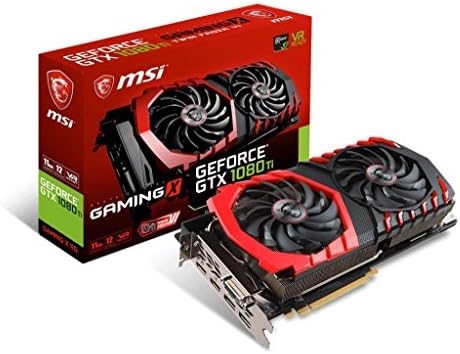
GTX 1080 Ti
GALAX's GTX 1080 Ti, a 2017-era Pascal flagship with 11GB of GDDR5X, now a used-market option for budget builds and older games.
We may earn a commission on purchases via this link. It never affects our scores or rankings.
Why we rate it
- 11GB of VRAM was unprecedented
- Strong 1080p and 1440p rasterisation
- Wide 352-bit memory bus
- Standard 8-pin PCIe power
- No ray tracing, no DLSS
- GDDR5X, not modern memory
Where the GTX 1080 Ti wins and loses
Specifications
Memory
GTX 1080 Ti vs ASUS GeForce GTX 1080 Ti
| GALAXGTX 1080 TiThis page | ASUSGeForce GTX 1080 Ti | |
|---|---|---|
| Overall score | 0 /100 | — /100 |
| VRAM | 11 GB | 11 GB |
| Boost clock | — | 1632 MHz |
| Memory type | GDDR5X | GDDR5X |
| Cuda cores | — | 3584 |
| Memory bus bit | 352 | 352 |
Is the GTX 1080 Ti right for you?
If you find a used 1080 Ti at a genuinely low price (well under £150) and mostly play older games or esports titles at 1080p or 1440p, it's a reasonable temporary solution. Nothing more.
If you want to play the latest games at decent settings with ray tracing, or you're building new and would otherwise buy a new entry-level card, the 1080 Ti's missing features and ageing drivers will hold you back.
Before you buy
Only at a very low used price (well under £150) and only if you play older games or esports titles. Even a new RX 7600 or used RTX 3060 delivers far better gaming with ray tracing and DLSS support.
No. The 1080 Ti is pre-RTX hardware and has no ray tracing cores. Any game that uses ray tracing will run with RT disabled. For modern RT gaming, you need an RTX 20-series card or newer.
No. DLSS requires Nvidia's tensor cores, which were introduced with the RTX 20 series. The 1080 Ti is Pascal-era hardware and predates that technology entirely.
GALAX is a budget Asian-market Nvidia partner brand, less common in the UK. Build quality varies by model. For used purchases, test thoroughly under load and budget for a possible repaste if needed.
Alternatives & similar graphics cards


