Intel Core i7-13700K
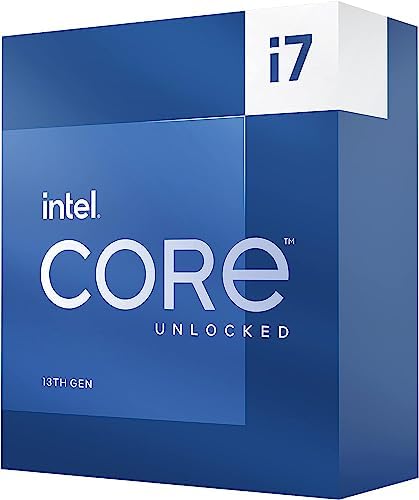
Intel's 13th-gen unlocked 16-core LGA1700 flagship, with integrated UHD 770 graphics, a 5.4 GHz ceiling, and full CPU overclocking freedom on Z-series boards.
We may earn a commission on purchases via this link. It never affects our scores or rankings.
Why we rate it
- 16 hybrid cores, 5.4 GHz ceiling
- Unlocked for CPU overclocking
- Integrated UHD Graphics 770
- DDR4 or DDR5 flexibility
- Up to 253W max power draw
- LGA1700 is end of life
Where the Intel Core i7-13700K wins and loses
Specifications
General info
Cores and threads
Clocks and cache
Memory
Integrated graphics
Power
Features and IO
Watch it in action
Intel Core i7-13700K vs Intel Intel Core i7-14700K
| IntelIntel Core i7-13700KThis page | IntelIntel Core i7-14700K | |
|---|---|---|
| Overall score | 91 /100Better | 86 /100 |
| Core count | 16 | 20Better |
| Thread count | 24 | 28Better |
| Boost clock | 5.4 GHz | 5.6 GHzBetter |
| Base clock | 3.4 GHz | 3.4 GHz |
| TDP | 125 W | 125 W |
| L3 cache | 30 MB | 33 MBBetter |
Is the Intel Core i7-13700K right for you?
If you want 16 hybrid cores, unlocked overclocking, and integrated graphics on LGA1700 for a build that handles both gaming and multi-threaded productivity, the 13700K covers all of it.
LGA1700 is end of life. For a new build, AMD's AM5 or Intel's LGA1851 both offer future CPU upgrade paths. The 13700K makes more sense as an upgrade to an existing LGA1700 system.
Before you buy
The 13700K has an unlocked multiplier for CPU overclocking and a higher 5.4 GHz boost versus the 13700's 5.2 GHz. The 13700K also has a 125W base TDP with 253W peak versus the locked 13700's 65W base. For no-OC builds, the 13700 saves money and runs cooler.
No. A quality 360mm AIO or top-tier air cooler is strongly recommended. Under all-core sustained load the chip can draw up to 253W.
FCLGA1700. Compatible with Intel 600 and 700 series boards. Z690 or Z790 for overclocking. A BIOS update may be needed on older 600-series boards.
For upgrades to existing LGA1700 builds, yes, at current used prices. For fresh builds, LGA1700 is end of life and AM5 or Intel LGA1851 offer future upgrade paths that LGA1700 can't.
Alternatives & similar cpus